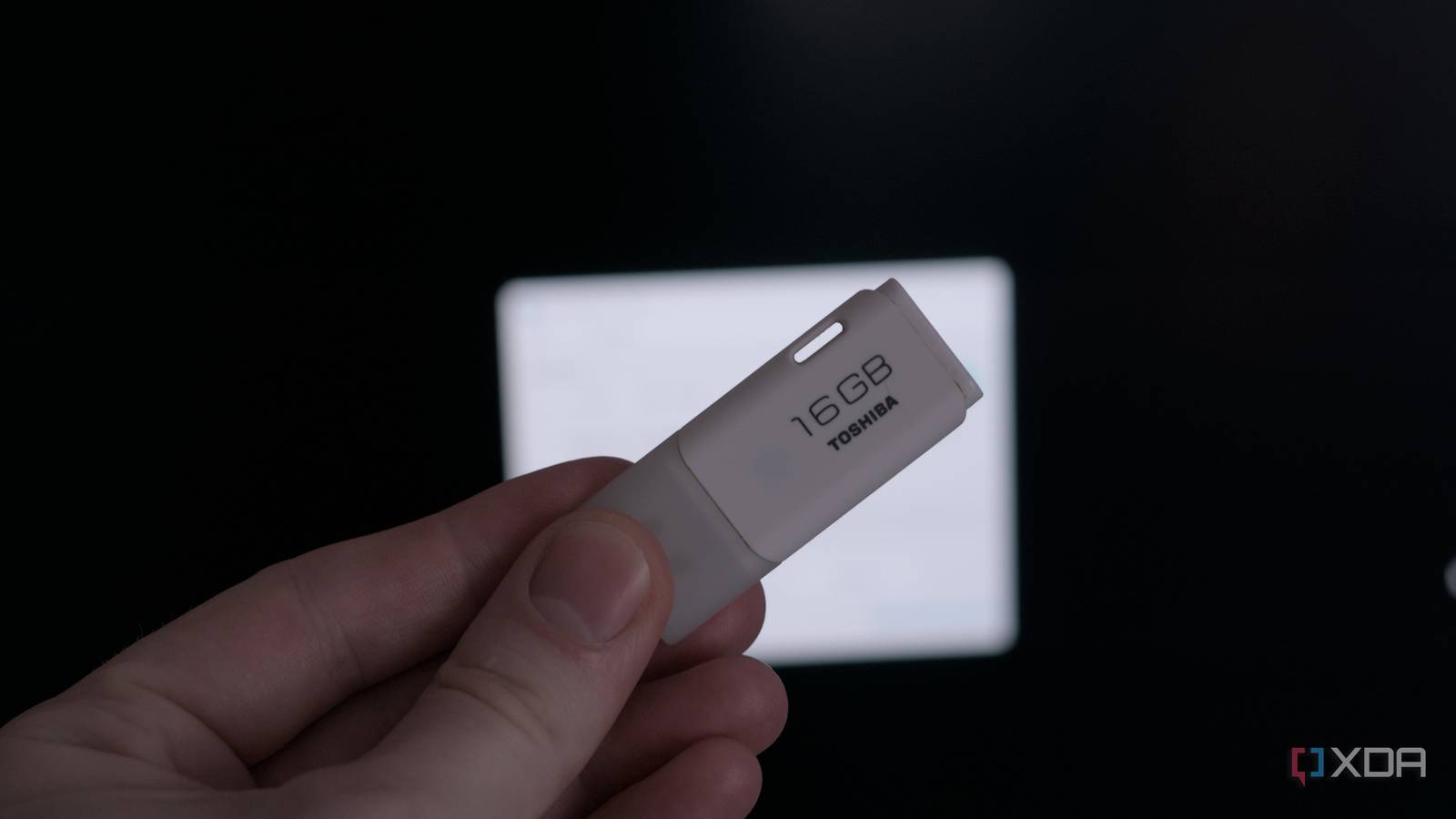
When shopping around, it's vital that you remain vigilant with marketing buzzwords. USB-C is the product name, which only tells you what connectors are used. USB4 certification doesn't equate to maximum power delivery and vice versa. Make no assumptions and try to confirm as much as possible through spec sheets and reviews. Let's take a look at some of the USB standards and what they actually imply, to help you out on your shopping spree. Label Standard
Connector(s)
Data rate
Jargon busting
Notable concerns
USB 2.0
Hi-Spe
The last thing I learned about these cables is that there are passive and active cables. A passive cable simply passes the signal through, assuming your devices already know how to talk to each other, while an active cable contains a chip inside that converts one signal into another. This matters because HDMI and USB-C are not the same things, nor the same signal. If I were connecting a USB-C laptop to an HDMI monitor, a simple passive-looking cable might work because the USB-C device is already sending a compatible video through DP Alt Mode. But since I was trying to connect from HDMI to my U